


No products in the cart.


Using Ice Baths: Before vs. After Workouts
Ice baths | June 16, 2025
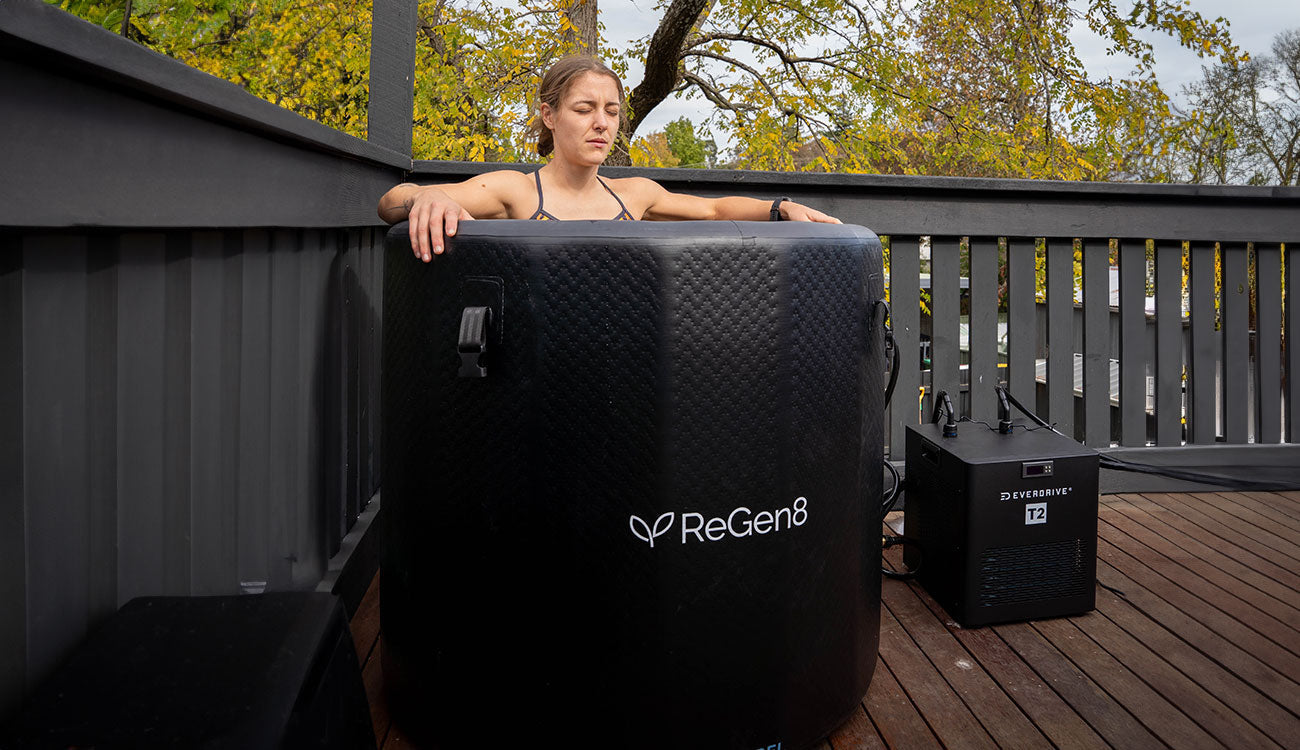
In recent years, we’ve come to understand that what you do before and after a workout is just as important as the workout itself. People are increasingly looking towards their recovery routines to enhance and consolidate the benefits of exercise. One method that everyone’s talking about at the moment is cold plunging.
For the uninitiated, cold plunging involves immersing yourself in cold water around 10–15°C for several minutes. Studies have demonstrated that it’s a powerful tool for reducing muscle soreness and inflammation, helping to clear our lactic acid and boost your recovery.
But is it really the silver bullet that so many people are making it out to be? We’re here to go through the pros and cons of cold immersion both before and after your workout so you can make the right decision for yourself.
Pre Workout Cold Plunging

While cold exposure is usually a post-workout technique, some people have started using it before workouts as a method of mentally preparing and priming their body. The idea behind pre-workout cold plunging is to trigger a physical and mental "reset," supercharging your performance during your exercise.
While it’s not as widely practiced as post-workout cold plunging, some swear by its ability to sharpen mental focus and reducing feelings of tiredness.
Pre-Workout Cold Plunge Pros 
-
Alertness and Mental Clarity
The jolt of cold water sharpens your senses and forces you to concentrate on your upcoming workout.
-
Boost in Energy
Immersing yourself in cold water activates the body's sympathetic nervous system, or the "fight or flight" response. This temporary energy boost can provide that extra push you need sometimes. -
Improved Circulation
When you exit the cold water, blood rushes back into the muscles. This surge in circulation primes your muscles and tissues for a more efficient workout. It can also improve the delivery of oxygen and nutrients to muscles, helping your performance. -
Increased Pain Tolerance
Cold exposure can increase your pain threshold. The shock of cold water may activate the body’s natural pain-relieving mechanisms, releasing endorphins and reducing the perception of discomfort -
Reduced Perception of Stress
The initial shock of the cold activates your body’s stress-response system but also helps regulate it by triggering relaxation once you warm up. This effect can help you feel more composed and focused during your workout Mental Toughness
Taking a cold plunge before a workout can also act as a mental challenge, building resilience and mental toughness.
Pre-Workout Cold Plunge Cons
-
Reduced Muscle Temperature and Flexibility
Cold muscles are less elastic, which can cause problems during activities that require explosive movement or agility.
-
Shock to the System
For some people, this intense discomfort causes more stress than anything else. The cold shock response (rapid breathing, increased heart rate and blood pressure spike) can be risky for some people with pre-existing health conditions.
-
Not Ideal Every Workout
Endurance workouts require a steady heart rate and a relaxed, fluid movement pattern. The stimulating effect of cold plunging can disrupt this rhythm.
-
Individual Variability
Not everyone reacts the same way to cold therapy. Some people experience a sharp increase in focus and energy, while others may feel sluggish or chilled for a long time after.
Post Workout Cold Plunging

Much more common, post-workout cold plunging is an advanced recovery method to reduce muscle soreness and inflammation. The goal is to promote faster recovery, allowing you to train more frequently and at higher intensities.
During a cold plunge, the blood vessels constrict, limiting the amount of metabolic waste and excess fluids that build up in the muscles. Once out of the cold water, the blood vessels dilate, increasing circulation and flushing out those byproducts. This process delivers oxygen and nutrients to muscles, which accelerates repair and reduces inflammation.
Cold plunging is a great tool for those doing resistance training, long-distance running or high-intensity interval training (HIIT).
Post Workout Cold Plunge Pros

-
Reduced Muscle Soreness
One of the main reasons athletes use cold plunges after exercise is to reduce the muscle soreness.
-
Decreased Inflammation
Cold water immersion can minimize post-exercise inflammation by reducing swelling and redness in the muscles.
-
Faster Recovery Time
The constriction of blood vessels during the cold plunge limits the accumulation of metabolic waste products like lactic acid. Once you exit the cold water, the vessels dilate, allowing fresh oxygen-rich blood to flow into the muscles.
-
Reduction of Muscle Fatigue
By minimizing the build-up of metabolic waste products and reducing muscle swelling, the body can return to a state of readiness more quickly. You’ll feel less worn out after a workout and be better prepared for the next one.
-
Pain Relief and Relaxation
Cold exposure has an analgesic effect, reducing the sensation of pain. The shock of the cold water causes the body to release endorphins, which are natural painkillers. Cold plunging can also help calm overactive or sore muscles by reducing spasms and soothing tight tissue.
-
Mental Resilience and Recovery
The challenge of immersing yourself in cold water can build mental toughness, teaching you how to tolerate discomfort and stay calm in stressful situations.
-
Improved Sleep Quality
Reducing your core body temperature at the end of the day can improve your sleep quality, which is itself an essential component of recovery.
Post Workout Cold Plunge Cons
-
Blunted Muscle Growth
One of the most debated concerns about cold plunging after exercise is its impact on hypertrophy (muscle growth). Cold exposure can dampen the inflammatory response that is necessary for muscles to repair and grow. This means that cold plunging can potentially reduce gains in muscle size and strength over time.
-
Interference with Natural Recovery Processes
Inflammation is part of how your body signals healing and adaptation. Cold immersion can interrupt these processes.
-
Not Ideal for Every Workout
Cold plunges are best used after high-volume or endurance workouts but probably aren't necessary after lighter sessions. After a mobility workout or active recovery session, a cold plunge might unnecessarily disrupt blood flow and muscle elasticity.
-
Discomfort
The intense discomfort of cold water can deter make some people. For some, the stress of enduring a cold plunge may outweigh the recovery benefits.
-
Cardiovascular Risks
If you have a pre-existing cardiovascular or blood pressure issue, sudden immersion in cold water can be dangerous. It can trigger a cold shock response, causing a rapid increase in heart rate and blood pressure. It’s best to ask your doctor before cold plunging if you have any heart-related conditions or circulatory problems.
Conclusion

Pre-workout cold plunging may provide a quick energy boost, improve mental focus and reduce fatigue, but it can also decrease muscle flexibility and power output.
On the other hand, post-workout cold plunging can reduce muscle soreness and inflammation. However, it may interfere with muscle growth and adaptation, so it’s important to use it strategically.
Listen to your body and experiment to find what works best for you. Combine it with other recovery strategies and give your body the time it needs to rest and rebuild for your next workout.
Latest Posts

Cardio | June 22, 2026
EOFY Home Gym Upgrade Guide: Where to Invest in Treadmills, Bikes & Strength EquipmentThe end of financial year is coming up, which we believe is one of the best times to evaluate your long-term fitness...
Read more
Cardio | June 09, 2026
Low-Impact Cardio Machines for Home: Best Options for Joint-Friendly WorkoutsAre you someone who's avoided running because you're worried about your knees? Maybe you've taken a break from cardi...
Read more
gift | May 05, 2026
Mother’s Day Gift Ideas 2026This year, get your Mum a gift that's functional and life-enhancing. If you've got a Mum who likes early morning jog...
Read more
Training | May 01, 2026
Lifespan Fitness Customer Transformations: Bec ChristensenFor most people, a fitness journey starts with a simple goal. For Bec Christensen, her initial drive to get her fitn...
Read more
Exercise | April 24, 2026
How to Stay Consistent with Home Workouts Over Long Weekends & HolidaysMost people will say that they lose motivation over long weekends, but that's rarely the real issue. What actually d...
Read more
Cardio | April 15, 2026
Treadmill vs Exercise Bike vs Cross Trainer: Which Is Best for Your Home?Treadmills. Exercise Bikes. Cross Trainers. These are the big 3 when it comes to home cardio equipment. While most o...
Read more
Treadmill | April 02, 2026
Scott Clark’s 24-Hour Marathon JourneyOn the morning of 15th March, a battered Scotty Clark was lowered into an ice bath, feeling the cool sting calm his ...
Read more
Training | March 10, 2026
Meet the Man Who’s Running for 24-Hours StraightThis former AFL sports trainer is taking ultra-marathons to another level with his 24-hour treadmill challenge.
Read more
Ice baths | February 20, 2026
A Cold Plunge to HealthIn 2002, British long-distance runner Paula Radcliffe won the 10,000m gold medal at the European Athletics Champions...
Read more
Cardio | February 06, 2026
Effects of Exercise on Mental HealthDid you know that regular physical exercise can actually increase the volume of parts of your brain? Namely, the par...
Read more
Cardio | January 12, 2026
Belt Slipping: Cause and CureBelt slipping is what happens when the belt moves out of sync with the treadmill motor and rollers. This can happen ...
Read more
gift | December 19, 2025
Christmas Gifts for Gym Lovers: The Ultimate Holiday Fitness Gift GuideDo you have someone in your life who's a meal-prepping, gym-obsessed, endorphin-chasing fitness junkie? Then you hav...
Read more
Cardio | December 08, 2025
12 Days of Christmas Fitness: Unwrap Your Best Self with These Holiday WorkoutsThe 12 Days of Christmas Fitness is a simple, engaging way to stay motivated during the holidays. Each day introduce...
Read more
November 06, 2025
Your Questions Answered: Our Most Common Service & Product QueriesEvery day, we hear so many interesting and unexpected questions from customers in-store, online and over the phone. ...
Read more
November 05, 2025
Kettlebells vs Dumbbells - Which is Best for You?They may look the same (and have very similar names), but dumbbells and kettlebells can create very different workou...
Read more
October 20, 2025
The Different Types of Weight Plate (and How to Tell them Apart)If you're at all serious about building a solid home fitness setup, you can't skip on weight plates. They have a spe...
Read more
Exercise | October 02, 2025
Gym Rubber Flooring: How Good Is It for Home GymsTo build the home gym of your dreams, you've got to start from the ground up. Gym flooring often gets overlooked, as...
Read more
Treadmill | September 22, 2025
Lifespan Fitness WalkingPad M2 Featured on SunriseOur WalkingPad M2 treadmill was recently featured on Sunrise, where wellness expert Lizzie Williamson showed just h...
Read more
pilates | September 12, 2025
Lifespan Fitness Contour Pilates Reformers Featured on The BlockWeek 6 of The Block saw police-officer duo Britt & Taz take a bold leap: transforming their rumpus room into a P...
Read more
pilates | September 05, 2025
The Ultimate Guide to Reformer PilatesYou’ve probably heard all the buzz around Reformer Pilates. Post-COVID has seen a huge surge in interest in this near...
Read more
Subscribe to our Newsletter
Join our subscribers list to get the latest news, updates and special offers delivered directly in your inbox.
Connect with us



