


No products in the cart.


Is Weight Training Okay for Injuries?
dumbbells | January 08, 2025
Australian sports medicine specialist Dr. Craig Purdam emphasises that effective recovery from an injury requires a balanced approach. He advocates for a combination of rest, targeted rehabilitation exercises and gradual reintroduction of activity. Dr. Purdam stresses the importance of proper load management—ensuring that exercise intensity and volume are increased progressively to avoid overloading the injured area.
However, it’s crucial to listen to your body—if you feel pain or discomfort, stop immediately. Proper recovery plays a significant role in healing, so balancing exercise with rest and rehabilitation is key to safely returning to full strength without risking further injury.
How To Safely Workout After an Injury

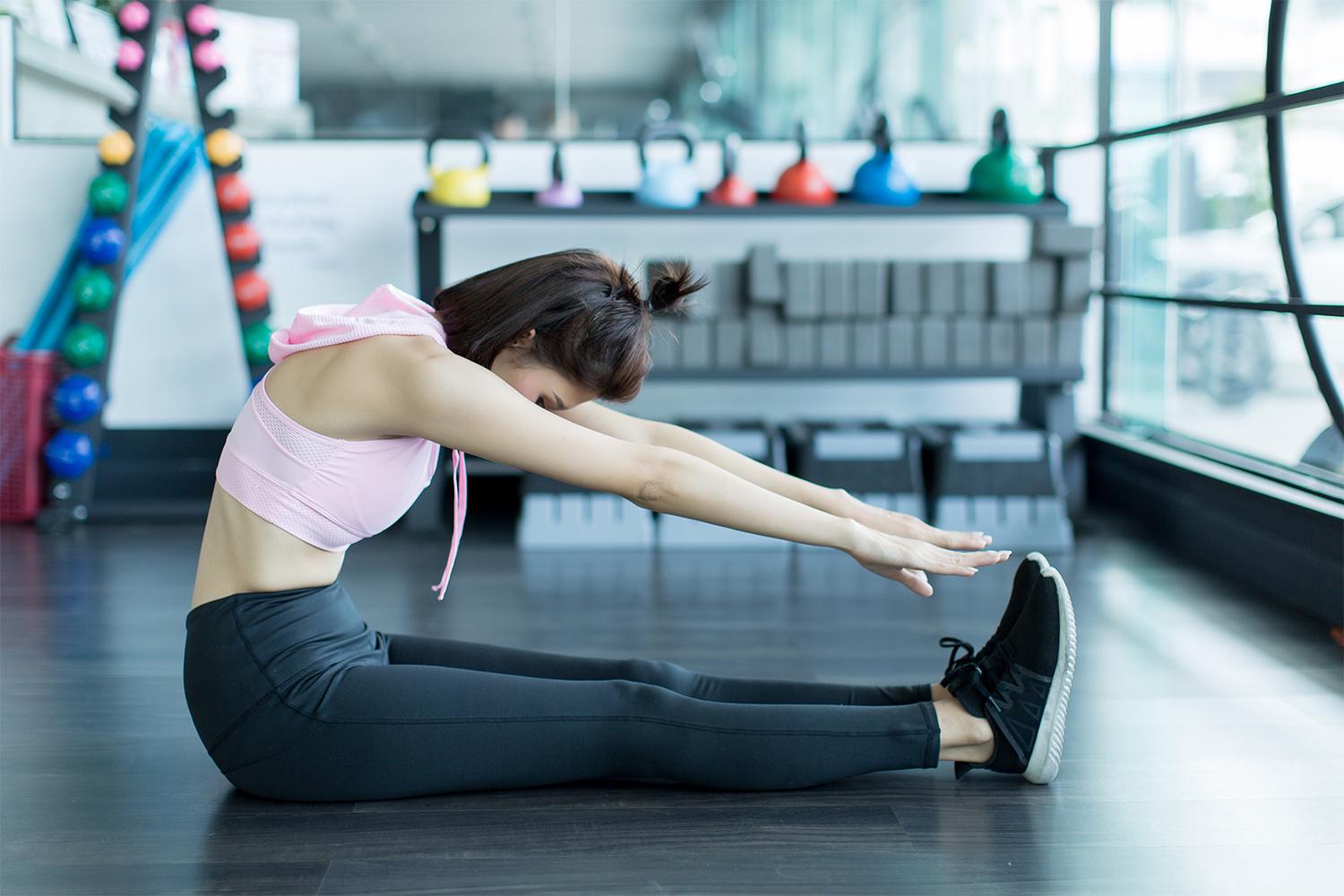
Returning to exercise after an injury requires a cautious, gradual approach to avoid setbacks. Start with gentle movements that focus on mobility and flexibility, such as dynamic stretches or light stretching routines. Stretching is essential as it helps improve range of motion, increases blood flow and reduces stiffness in the injured area, preparing your body for more intense exercises over time.
Begin with low-impact exercises that don't aggravate the injury, like swimming, cycling or resistance band exercises. Strength training can be reintroduced gradually but focus on the uninjured areas first while avoiding exercises that directly target the injured part.
Listening to your body is essential—if you feel any sharp pain or discomfort, it’s a sign to stop and reassess. You can adjust intensity, repetitions and sets as your body begins to heal and adapt. Remember to warm up before any workout and cool down afterward, incorporating stretching to aid muscle recovery.
Ask a Specialist

A common mistake is rushing back into exercise without professional guidance, which can lead to reinjury or long-term issues. By seeking a specialist’s opinion, you ensure that your injury is being treated properly and that your workouts are safe and effective.
A sports medicine doctor can recommend a customised recovery plan that may include physiotherapy, modified exercises, or even temporary rest depending on the severity of your injury. They can guide you on which exercises are beneficial and which should be avoided during different phases of healing.
Avoid Using the Injured Body Part
You can still engage in exercises that keep you moving without stressing the injured area. For instance, if you have a leg injury, focus on upper-body exercises like seated shoulder presses, chest presses or rowing movements. Similarly, if your upper body is injured, you can maintain fitness through lower-body exercises like squats, lunges or stationary cycling.
Strength training plays a key role in injury rehabilitation, as it helps maintain muscle mass and support overall recovery. However, the exercises should be adapted to avoid putting any strain on the injured area.
For example, using resistance bands or machines that isolate specific muscles can be a safe way to continue training without risking further injury.
Working on strengthening the muscles surrounding the injury can aid recovery by providing extra support once you’re ready to use the injured part again.
Slowly but Surely, Listen to Your Body

After an injury, it’s important to begin with gentle movements that don’t stress the injured area, focusing on flexibility and range of motion. Incorporating stretches, like hamstring stretches, hip flexor stretches or chest openers, can help your muscles regain mobility and prevent stiffness.
As you progress, listen to your body carefully. If you feel discomfort or pain, it’s a signal to slow down or modify your routine. Over time, you can gradually introduce more strength and resistance training as your body gets stronger. Stretching before and after workouts is essential for injury prevention and recovery, as it improves flexibility and circulation.
Consistency is more important than intensity at this stage, so make sure you allow your body the time it needs to adapt. By taking small, steady steps forward, you’ll rebuild strength, mobility and confidence in your body without risking further injury.
Seek a Physical Therapist
Working with a physical therapist (PT) can significantly enhance your recovery journey after an injury. PTs specialise in rehabilitating injuries through targeted exercises and hands-on techniques. They assess your specific condition, identifying not just the injury itself but also any underlying issues that may have contributed to it.
A physical therapist can design a tailored rehabilitation program that focuses on restoring strength, flexibility and functionality to the injured area. They guide you through safe exercises that promote healing while ensuring you avoid movements that could exacerbate the injury.
Moreover, PTs educate you on proper body mechanics and techniques, helping you to develop healthier movement patterns that can prevent future injuries.
Utilise Recovery Tools

Incorporating recovery tools into your rehabilitation plan can significantly speed up the healing process after an injury.
One popular option is massage chairs, which use targeted massage techniques to relieve tension and promote relaxation. These chairs stimulate blood flow, helping to reduce inflammation and speed up recovery. Regular sessions can aid in muscle recovery after workouts and help alleviate discomfort in the injured area.
Foam rollers are another effective too, helping to release tight muscles and improve flexibility. By incorporating foam rolling into your routine, you can enhance muscle recovery and decrease the risk of re-injury.
Saunas help improve blood circulation, which increases oxygen and nutrient flow to fatigued muscles, aiding in their recovery. The heat can also alleviate muscle tension and reduce soreness, making it easier to return to your workouts.
Compression boots are also beneficial, as they apply pressure to the muscles, improving blood circulation and reducing swelling. Using these during workouts or recovery periods can aid in quicker muscle recovery.
Additionally, cold and heat therapy can be used strategically. Cold packs can reduce inflammation immediately after an injury, while heat therapy can relax tight muscles and improve blood flow during later recovery stages.
Conclusion
Recovering from an injury requires a thoughtful approach that prioritises safety and gradual progress. By consulting a sports medicine doctor, working with a physical therapist and utilising recovery tools, you can effectively navigate your rehabilitation journey. Listening to your body and adjusting your workouts accordingly is crucial to prevent setbacks. With patience and the right strategies, you can return to your fitness routine stronger and more resilient, ready to enjoy your activities while minimising the risk of future injuries.
Latest Posts

conditioning | October 07, 2026
Beyond the Scale: Wins That Mattered More Than the NumberThe scale told me almost nothing useful about my fitness goals during the year I lost 20kg. Here's what I was tracki...
Read more
conditioning | September 23, 2026
Why Strength Training Will Get You the Body You WantCardio alone was never going to get you there. Here's what will. For about seven years, cardio and HIIT w...
Read more
Cardio | September 16, 2026
What Exactly is a Runner’s High? (Spoiler: It’s Not Endorphins)If you're a runner, you already know the feeling. You climb down from the treadmill, panting for breath as your hear...
Read more
tips | September 09, 2026
5 Best Fitness Habits Every Woman Should Be FollowingThe habits that actually move the needle, in the order I'd tell a friend. There's no shortage of fitness ...
Read more
Cardio | September 02, 2026
Rowing Machine Benefits & How to Choose the Right Rower for Your HomeThere's a special kind of workout you get from the slow, deliberate motion of a rowing machine. You've probably hear...
Read more
guide | August 26, 2026
How to Set Fitness Goals You'll Actually AchieveMost fitness goals for women sound the same - lose weight, tone up, get fit. Here's a simpler approach that's actuall...
Read more
Cardio | July 13, 2026
Best Cardio Machines for Winter Home Workouts in AustraliaWinter is a real test of your resilience when it comes to workout consistency. 33% of Australians report that they f...
Read more
Cardio | June 22, 2026
EOFY Home Gym Upgrade Guide: Where to Invest in Treadmills, Bikes & Strength EquipmentThe end of financial year is coming up, which we believe is one of the best times to evaluate your long-term fitness...
Read more
Cardio | June 09, 2026
Low-Impact Cardio Machines for Home: Best Options for Joint-Friendly WorkoutsAre you someone who's avoided running because you're worried about your knees? Maybe you've taken a break from cardi...
Read more
gift | May 05, 2026
Mother’s Day Gift Ideas 2026This year, get your Mum a gift that's functional and life-enhancing. If you've got a Mum who likes early morning jog...
Read more
Training | May 01, 2026
Lifespan Fitness Customer Transformations: Bec ChristensenFor most people, a fitness journey starts with a simple goal. For Bec Christensen, her initial drive to get her fitn...
Read more
Exercise | April 24, 2026
How to Stay Consistent with Home Workouts Over Long Weekends & HolidaysMost people will say that they lose motivation over long weekends, but that's rarely the real issue. What actually d...
Read more
Cardio | April 15, 2026
Treadmill vs Exercise Bike vs Cross Trainer: Which Is Best for Your Home?Treadmills. Exercise Bikes. Cross Trainers. These are the big 3 when it comes to home cardio equipment. While most o...
Read more
Treadmill | April 02, 2026
Scott Clark’s 24-Hour Marathon JourneyOn the morning of 15th March, a battered Scotty Clark was lowered into an ice bath, feeling the cool sting calm his ...
Read more
Training | March 10, 2026
Meet the Man Who’s Running for 24-Hours StraightThis former AFL sports trainer is taking ultra-marathons to another level with his 24-hour treadmill challenge.
Read more
Ice baths | February 20, 2026
A Cold Plunge to HealthIn 2002, British long-distance runner Paula Radcliffe won the 10,000m gold medal at the European Athletics Champions...
Read more
Cardio | February 06, 2026
Effects of Exercise on Mental HealthDid you know that regular physical exercise can actually increase the volume of parts of your brain? Namely, the par...
Read more
Cardio | January 12, 2026
Belt Slipping: Cause and CureBelt slipping is what happens when the belt moves out of sync with the treadmill motor and rollers. This can happen ...
Read more
gift | December 19, 2025
Christmas Gifts for Gym Lovers: The Ultimate Holiday Fitness Gift GuideDo you have someone in your life who's a meal-prepping, gym-obsessed, endorphin-chasing fitness junkie? Then you hav...
Read more
Cardio | December 08, 2025
12 Days of Christmas Fitness: Unwrap Your Best Self with These Holiday WorkoutsThe 12 Days of Christmas Fitness is a simple, engaging way to stay motivated during the holidays. Each day introduce...
Read more
Subscribe to our Newsletter
Join our subscribers list to get the latest news, updates and special offers delivered directly in your inbox.
Connect with us


 Youtube
 Instagram
 Facebook
© 2026 Lifespan Fitness®. All rights reserved. ABN 96 137 370 953

